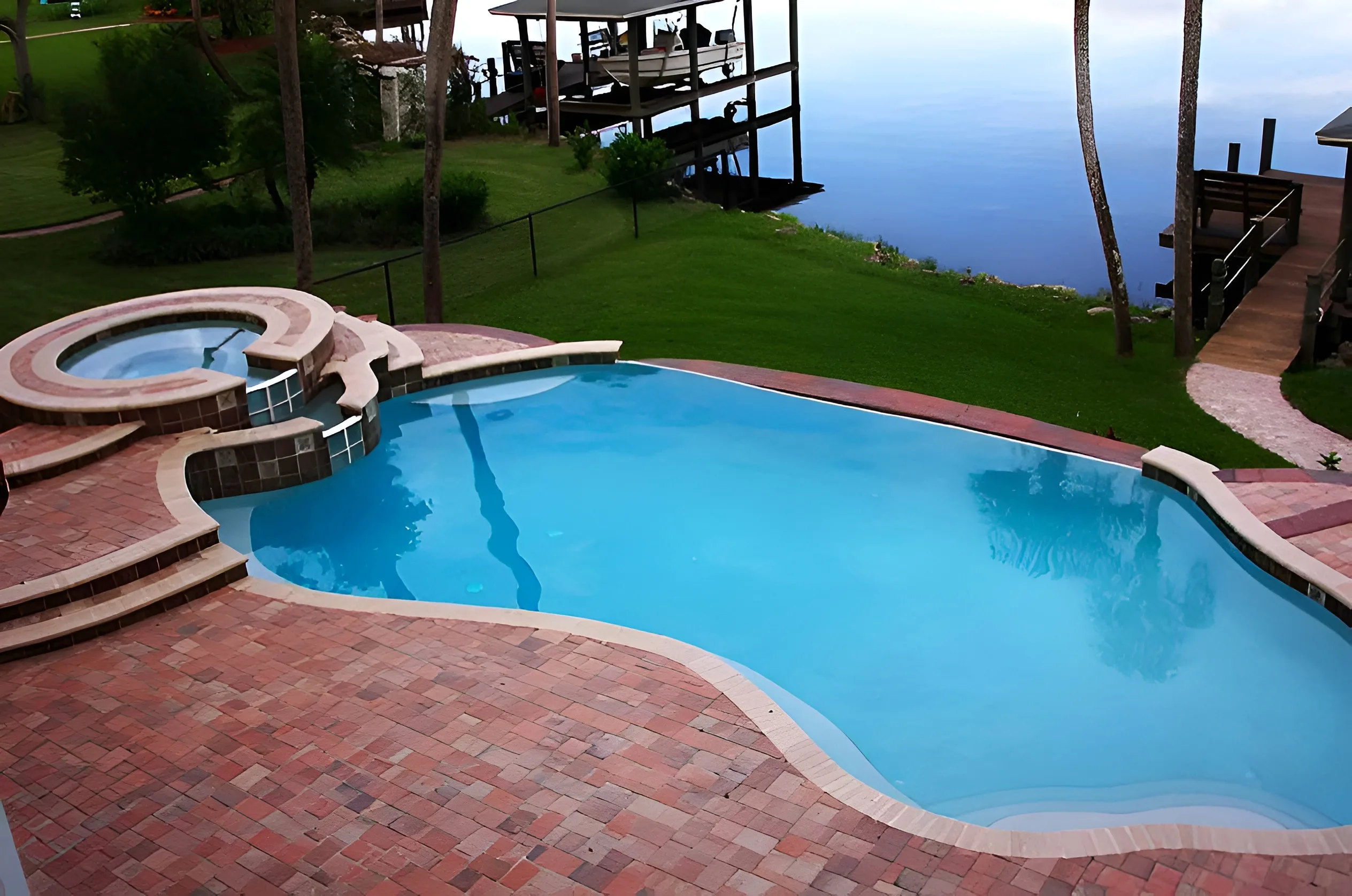
Planning a pool near the ocean involves much more than choosing the right style or size. Coastal pool planning demands a thorough understanding of how salt air, humidity, storms, wind, and sandy soil impact pool materials, equipment, layout, and long-term durability. This guide addresses the critical aspects homeowners and builders must consider when planning and constructing a pool that withstands coastal weather challenges while maintaining safety and structural integrity.
Why is pool planning different near the coast?
Pool planning near the ocean requires specialized attention because coastal environments present unique risks. These include salt air exposure, high humidity, strong winds, frequent storms, and challenging soil conditions that do not affect inland pools as intensely. Ignoring these factors can lead to premature deterioration, structural failure, and costly repairs.
- Salt air and spray accelerate the corrosion of metal components
- Humidity intensifies material degradation and affects evaporation rates
- Storms and hurricanes demand resilient structural design and anchoring
- Wind influences pool placement and comfort zones
- Sandy soil requires stabilization techniques for pool foundations and excavation
- Groundwater management is critical during construction
Does ocean air damage pools and pool equipment?
Yes, ocean air significantly damages pools and pool equipment through salt exposure. Salt air contains salt particles that settle on surfaces and enter mechanical components, causing corrosion and malfunctions. This affects pumps, heaters, lighting fixtures, and metal fittings, shortening their lifespan and increasing maintenance costs.
- Salt deposits create corrosive electrochemical reactions on metals
- Electronics and moving parts are especially vulnerable
- Protective coatings, materials resistant to salt corrosion, and proper maintenance are essential
How do salt air and humidity affect pool materials?
Salt air combined with coastal humidity accelerates wear on pool materials by promoting corrosion, deterioration, and structural weakening.
- Salt crystals attract moisture, leading to continuous corrosion cycles
- Humidity exacerbates material swelling, cracking, and mold growth
- UV exposure alongside salt and moisture causes surface fading and brittleness
- Joint seals and finishes degrade faster in coastal climates
What construction planning is essential for coastal concrete pools?
Concrete pools near the coast require specific engineering and construction techniques to resist saltwater exposure, moisture, UV damage, and structural stresses from storms and soil conditions.
- Reinforced Steel Placement and Corrosion Protection: Use high-grade rebar typically coated or epoxy-treated to prevent corrosion from salt exposure. Proper spacing and coverage ensure structural integrity and longevity.
- Shell Thickness and Shotcrete Application: Increased shell thickness and careful shotcrete (gunite) application create a dense, durable pool shell that is resistant to cracking and saltwater penetration.
- Waterproofing Systems: Application of marine-grade waterproof membranes or sealants prevents salt intrusion and moisture penetration that degrade concrete.
- Hydrostatic Pressure Management: Install hydrostatic relief valves and drainage systems to mitigate pressure from groundwater, reducing the risk of pool shell lifting or cracking.
- Structural Drainage Coordination: Design drainage systems integrated with pool decking and surrounding landscape to prevent water accumulation near pool walls.
- Groundwater and Excavation Management: Coastal excavations often involve high groundwater tables requiring dewatering techniques and soil stabilization before any steel or shotcrete work begins.
- Soil Stabilization and Foundation Reinforcement: Use geotextiles, pilings, or compacted gravel layers to stabilize sandy soils, preventing settling or shifting that leads to structural damage.
How do hurricanes and coastal storms influence pool design and construction?
Hurricanes and coastal storms require pool designs that prioritize structural integrity and resilience through targeted engineering solutions.
- Anchoring Systems: Concrete pools must be anchored into stable soils or pilings to resist uplift forces from storm surge and hydrostatic pressure.
- Bonding and Reinforcement: Properly bonded metal components and reinforced shell ensure the pool functions as a unified structure during high winds and flooding.
- Equipment Elevation: Pumps, heaters, and electrical equipment are elevated above expected flood levels to prevent damage.
- Overflow and Drainage Management: Design overflow channels and rapid drainage systems to handle excessive rain and stormwater.
- Coordination with Pool Enclosures: Structural connections and mutual support among pool enclosures, fences, and the pool shell minimize damage from wind and debris.
Does wind exposure affect pool layout and comfort?
Strong coastal winds impact both pool experience and structural planning.
- Certain pool orientations minimize wind chill and debris accumulation
- Windbreaks, like fences or strategic landscaping, improve user comfort
- Wind influences evaporation rates, increasing water loss
- Proper pool placement reduces wind impact on seating and entertaining areas
How does sandy soil impact pool construction and stability?
Sandy soil near the coast challenges pool stability due to low compaction and potential erosion.
- Soil testing is necessary to assess load-bearing capacity
- Additional foundation reinforcement and pilings may be required
- Drainage design prevents soil shifting and water accumulation
- Engineering solutions reduce the risk of pool wall cracking or shifting over time
What role does drainage play in coastal pool planning?
Effective drainage around pools in coastal areas is critical to prevent flooding, erosion, and structural weakening.
- Drainage systems quickly divert rain and stormwater away from pools
- Proper grading avoids water pooling near pool edges
- Integration with the surrounding property drainage preserves landscape integrity
- Helps maintain stable ground conditions for pool foundations
What can go wrong without proper coastal pool construction?
Without proper drainage, soil stabilization, and waterproofing, coastal pools can suffer severe structural issues over time.
Example Scenario: A concrete pool built without adequate hydrostatic relief and soil compaction developed movement in the pool shell, leading to multiple cracks. Additionally, insufficient drainage caused water accumulation under the deck, resulting in settlement and uneven surfaces. These failures necessitated costly structural repairs and pool downtime.
How does a coastal location affect pool construction costs?
Coastal pool construction generally incurs higher costs due to specialized materials, engineering requirements, labor, and ongoing maintenance considerations.
- Investment in corrosion-resistant materials and protective coatings
- Foundation reinforcement and advanced excavation techniques for soil and groundwater management
- Engineering for storm resilience, anchoring, and drainage systems
- Design complexity to handle wind load and environmental exposure
Work With a Pool Builder Who Understands Coastal Construction Challenges
Building a pool near the coast requires more than standard pool planning. Salt air exposure, groundwater conditions, sandy soils, drainage management, storm protection, and structural reinforcement all influence how the pool must be engineered and constructed for long-term durability.
Because coastal conditions affect every stage of construction, experienced builders evaluate these factors early during site planning, excavation, engineering, and material selection. Proper sequencing, reinforced-concrete construction, groundwater management, and drainage coordination all play critical roles in preventing long-term structural problems in coastal environments.
At Artesian Pools, coastal pool projects are approached with careful attention to site conditions, structural performance, drainage planning, and construction quality specific to Florida’s coastal climate. Understanding how ocean air and coastal weather affect pool construction helps homeowners make better planning decisions before excavation and construction begin.