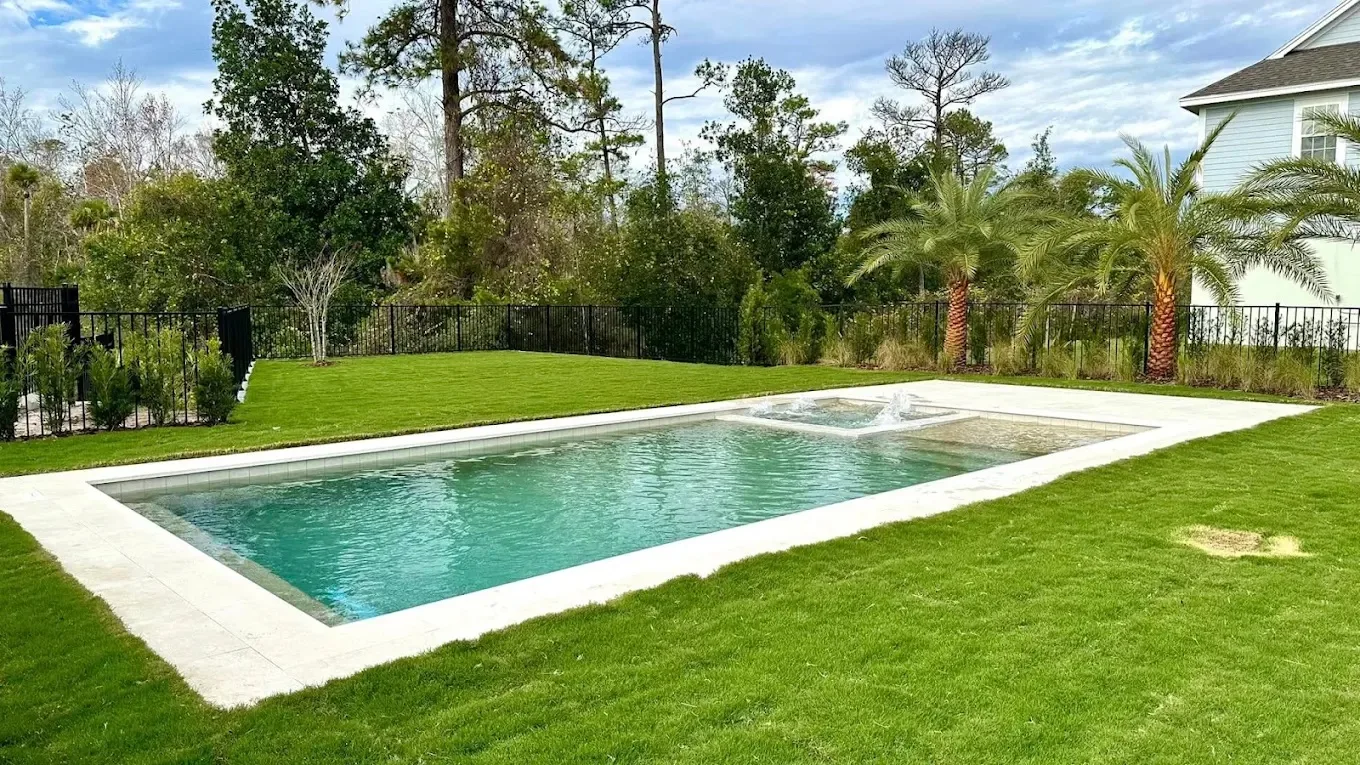
If you’re wondering whether you need a screen enclosure for a pool in Daytona Beach, the answer is yes. The answer depends on your priorities for safety, maintenance, and construction planning. While Florida does not legally require pool screen enclosures everywhere, they are extremely common in Daytona Beach due to the local climate and practical benefits. This article breaks down when a pool screen enclosure makes sense, the key benefits, costs, construction considerations, and local regulations to help you decide.
Do You Need a Screen Enclosure for a Pool in Daytona Beach?
Screen enclosures are not mandatory in Daytona Beach, but they are highly recommended for most homeowners. They provide significant advantages in safety, maintenance reduction, and durability, especially given the area's warm, humid climate and abundance of insects.
- Bug and debris protection: Screens keep out mosquitoes, flies, and other pests, while also reducing leaves, dirt, and other debris, cutting down on cleaning and filter strain.
- Pool safety enclosure: They create a physical barrier that helps prevent accidental falls, especially important for families with children or pets.
In short, while you don’t need one, a pool screen enclosure in Daytona Beach is a practical upgrade that improves safety compliance and reduces maintenance needs.
Are Pool Screen Enclosures Required by Florida Law?
Florida does not universally require pool screen enclosures, but there are safety regulations that pool owners must follow. Local codes in Daytona Beach and Volusia County may have specific rules about pool barriers, gates, and fencing to prevent accidents.
Understanding Florida pool requirements is essential before installation. In many cases, a properly designed screen enclosure can serve as a compliant safety barrier, but requirements vary by local code and must be verified during permitting. Screen enclosures often meet or exceed safety standards more effectively than open pools or simple fences.
What Are the Main Benefits of a Screened Pool Enclosure?
Screen enclosures offer multiple practical benefits for Daytona Beach homeowners:
- Bug and debris protection: Keeps out insects and limits leaves, twigs, and dirt from entering the pool, reducing cleaning time.
- Pool safety enclosure: Provides a secure barrier to prevent accidental falls and unauthorized access.
- Pool protection from weather: Shields the pool from harsh sun, rain, and wind, helping maintain water quality and durability.
- Maintenance reduction: Decreases the frequency and effort of pool cleaning and chemical balancing.
Are There Downsides to Installing a Pool Screen Enclosure?
While the benefits are clear, there are some trade-offs to consider from a builder’s perspective:
- Initial cost: Screen enclosures add to your pool installation budget.
- Maintenance: Although they reduce pool cleaning, the enclosure itself requires occasional upkeep, including screen replacement cycles and repairs after storms.
- Design limitations: Enclosures may restrict certain landscaping or pool design options and require structural anchoring.
- Visual impact: Some homeowners prefer the open look of a pool without a screen.
- Height and footprint constraints: Enclosures require vertical clearance and footprint space, which can affect screen height and overall backyard layout.
- Storm durability trade-offs: While engineered for wind loads, screens can still require repair or replacement after major storms.
How Does a Screen Enclosure Protect Your Pool in Coastal Florida?
Daytona Beach’s coastal environment presents unique challenges, such as high humidity, frequent storms, and abundant insects. A screen enclosure helps by:
- Blocking bugs that thrive in humid conditions.
- Reducing debris blown in by coastal winds and storms.
- Providing shade that limits algae growth and chemical use.
- Offering a sturdy barrier engineered to meet wind load requirements, important in coastal Florida.
How Does a Screen Enclosure Affect Pool Design, Construction, and Layout?
Screen enclosures have significant impacts on pool layout planning and construction sequencing:
- Pool layout planning: Enclosure placement must be coordinated with the pool and deck design to avoid conflicts with drainage and landscaping.
- Deck size and footings: Screen enclosures require separate footings that must be coordinated with the pool deck layout during construction. In many cases, enclosure placement is planned before excavation begins to ensure proper integration.
- Structural tie-ins: Enclosures require structural anchoring to withstand wind loads, especially in coastal areas, which must be factored into the pool and deck design.
- Permitting sequence: Enclosures often require separate permits and inspections from the pool itself, including engineering for wind-load compliance and safety-barrier requirements.
- Drainage and concrete deck integration: Proper coordination between pool builders and enclosure contractors is essential to ensure deck drainage is not compromised and enclosure anchors are securely integrated into the concrete deck.
- Inspection sequencing: Pool and enclosure inspections are typically separate, requiring careful scheduling to avoid construction delays.
In most projects, enclosure planning happens during the design phase, not after the pool is built, to avoid conflicts with deck layout, drainage, and structural footings. This is a major homeowner decision point that affects construction coordination and costs.
Does a Screened Pool Add Value to Your Home?
A screened pool enclosure can increase your home’s appeal and value in Daytona Beach by:
- Enhancing safety and security, a key concern for families.
- Reducing maintenance costs, which appeals to buyers.
- Improving durability and compliance with local safety codes.
Many local buyers expect screened pools, so it can be a strong selling point.
How Much Does a Pool Screen Enclosure Cost in Daytona Beach?
The cost of a pool enclosure in Daytona Beach varies based on size, materials, and design complexity. Typical price ranges include:
- Standard enclosures: $3,000 to $5,000
- Custom enclosures: $4,000 to $10,000 or more
Additional features like doors, windows, or specialty screens can increase costs. Installation usually takes 1 to 3 weeks, depending on weather and project scope.
When Does It Make Sense to Skip a Screen Enclosure?
From a builder’s perspective, some homeowners may choose to forgo a screen enclosure if:
- They prefer an open pool aesthetic and are willing to accept more maintenance.
- They live in a low-insect area or use other pest-control measures.
- They have a fully fenced yard that meets local safety codes.
- Budget constraints make the enclosure cost-prohibitive.
- In some designs, especially high-end open layouts, homeowners may prioritize aesthetics over the benefits of enclosure.
However, skipping a screen enclosure means more exposure to bugs, debris, and weather, which can increase long-term upkeep and reduce pool durability.
How Does a Screen Enclosure Relate to Pool Safety Codes?
In many cases, a properly designed screen enclosure can serve as a compliant safety barrier, but requirements vary by local code and must be verified during permitting. Local regulations in Daytona Beach and Volusia County specify standards for pool barriers, gates, and fencing to prevent accidents. Consulting with local authorities and pool builders ensures your enclosure meets all safety and permitting requirements.
Screened Pool vs Open Pool: Benefits Comparison
| Feature | Screened Pool | Open Pool |
| Bug Protection | High – keeps out mosquitoes and insects | Low – exposed to bugs |
| Debris Protection | High – blocks leaves and dirt | Low – requires frequent cleaning |
| Pool Safety Enclosure | Yes – physical barrier | Depends on fencing |
| Weather Protection | Moderate – shields from sun and rain | None – fully exposed |
| Maintenance Effort | Lower – less cleaning needed | Higher – frequent cleaning required |
| Initial Cost | Higher – enclosure cost added | Lower – no enclosure |
Should You Install a Screen Enclosure for Your Daytona Beach Pool?
Deciding whether to include a screen enclosure comes down to how you want your pool to perform over time. In Daytona Beach, factors like insects, debris, coastal weather, and safety requirements make enclosures a practical choice for many homeowners.
From a construction standpoint, this decision is most effective when made early in the design process. Screen enclosures require separate footings, structural anchoring, and permitting, all of which must be coordinated with the pool layout, deck, and drainage. Planning for an enclosure after the pool is built often requires modifying the deck or reworking key elements, increasing cost and complexity.
At Artesian Pools, we plan screen enclosures as part of the overall pool construction process—not as an afterthought. Our team coordinates enclosure layout, structural requirements, and permitting alongside the pool design to ensure everything works together from the start.
If you’re building a pool in the Daytona Beach area, understanding how a screen enclosure affects layout, construction, and long-term use will help you make a more informed decision before construction begins.